History of Panthertown Valley:
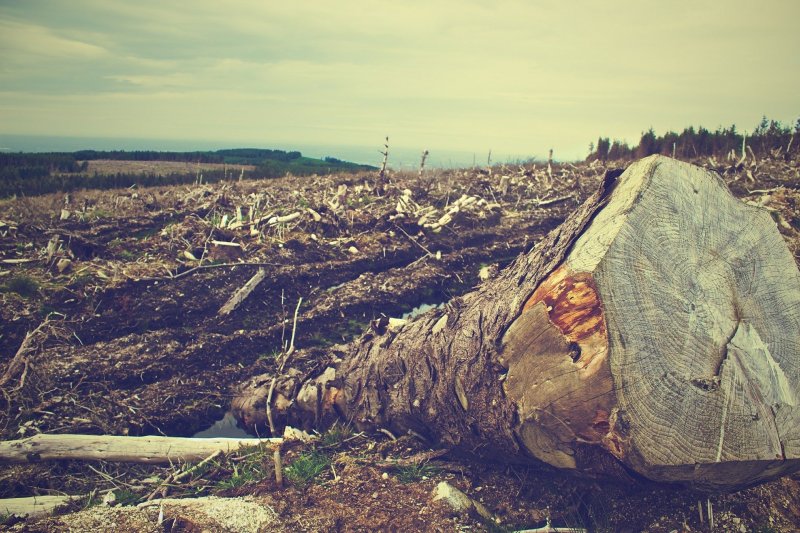
Panthertown Valley has changed ownership many times throughout its history. The valley was logged in the 1920’s - 1930’s by Moltz Lumber Company, and then sold to Liberty Properties who had plans to convert the valley into a resort. The Blue Ridge Parkway also had plans for a route through the valley. When those plans fell through, Duke Power Company purchased the land in order to construct a large transmission line spanning the valley’s width. In 1989, the North Carolina Chapter of the Nature Conservancy purchased the 6,295-acre Panthertown Valley from Duke Power Company for $8 million as an addition to Nantahala National Forest. Panthertown Valley is located two miles east of Cashiers in Jackson County in a popular vacation home and resort area, so this acquisition presented a unique opportunity to protect a large piece of land under single ownership.

Description of Panthertown Valley:
Panthertown Valley has garnered many accolades as a unique landscape that is unparalleled in North Carolina. Panthertown Valley is sometimes called the “Yosemite of the East” because of sheer granite cliffs and mountain peaks rising hundreds of feet above the valley floor. Granite domes with exposed rock are uncommon in the southern Appalachians and offer spectacular open vistas. The headwaters of the east fork of the Tuckaseegee River and the Little Tennessee River originate in the valley with 20 miles of native brook trout streams, including Panthertown, Greenland and Flat Creeks. Other natural features of this high mountain valley include: stunning panoramic views and spectacular overlooks, cascading waterfalls, and quiet tannin-stained streams with native brook trout. Because of its outstanding geologic formations, forests, streams and native plant life Panthertown is designated as a Blue Ridge Natural Heritage Site and Mountain Treasure Area. The unusually flat valley is home to at least 11 different natural communities, including wetlands such as the rare southern Appalachian bogs and swamp forest-bog community. These communities contain numerous rare plants, such as Cuthbert’s turtlehead, Canada burnet, marsh bellflower, climbing fern, and spinulose wood fern.

Recreational Opportunities:
The valley offers visitors a wide variety of places to explore and attracts a variety of outdoor enthusiasts including hikers, mountain bikers, equestrians, rock climbers, anglers, birders and naturalists. A network of trails and old logging roads lead to waterfalls, bogs, and spectacular overlooks of the valley and its cliff faces. Be aware that a number of visitors get lost in the area each year because trails are unmarked; therefore, visitors are advised to bring a map and compass. (See below for more information about where you can obtain maps of the area.) The most rugged gorges in the valley escaped logging and contain some old growth trees. The waterfalls’ wet microclimate supports the highest concentration of rare plants in the valley. Please be aware that there are many ecologically sensitive areas and rare communities of plants that thrive within the valley. Hikers can lessen their impact by staying on designated trails. Rare ferns, mosses, and liverworts near the waterfalls are easily scraped off the rocks when visitors walk behind the falls. For this reason, visitors are encouraged to view the falls from below. Primitive overnight camping and catch-and-release fishing are also allowed in Panthertown, so you can spend a full weekend in this wild area.

Maps of the Area:
Be aware that the trails are unmarked, so visitors should bring a map and compass. Currently, there are no free brochures or maps, but “Slickrock Expeditions: A Guide’s Guide to Panthertown Valley” can be purchased at the Highlands Hiker or on Slickrock Expeditions’ website at www.slickrockexpeditions.com/map_request.htm. Other maps of the area include USGS topographical maps of Big Ridge and Lake Toxaway quadrangles. Additional information is on the North Carolina National Forests website at www.cs.unca.edu/nfsnc

 
Things to do in Panthertown:
• Hiking trails
• Breath-taking views
• Trout-fishing
• Rock-climbing
• Birding
• Scenic waterfalls
• Mountain biking trails
• Horseback riding trails
• Backcountry camping
 
For More Information Contact:
Nina Elliott, Panthertown Coordinator
Jackson-Macon Conservation Alliance
348 South Fifth Street. Highlands, NC. 28741
Email: jmca@dnet.net
Phone: 828-526-9938 (ext. 258).
 

Driving Directions:
There are several entrances, but here’s the two most popular ways to get to Panthertown Valley:

  • To Salt Rock Gap (west entrance): Approximately 1.5 miles east of Cashiers on US 64, turn left or north on Cedar Creek Road (SR 1120). Continue on Cedar Creek Road for 2.2 miles and bear right or northeast on Breedlove Road (SR 1121). Drive 3.3 miles until the pavement turns to gravel. Parking is limited along the gravel road, so visitors are advised to park their cars here. Continue ¼ mile on the gravel road that leads to the Salt Rock Gap entrance and trailhead.
  • To Cold Mountain (east entrance): At the Lake Toxaway fire station (NC 281 0.7 miles north of junction US 64), turn left (north) on Cold Mountain Road and continue 6.0 miles, bear left on a gravel road, then turn right on the first gravel road to reach the parking lot. (If you miss the turn you’ll end up in a residential development.)
Links:
• National Forests in North Carolina http://www.cs.unca.edu/nfsnc/request.htm
• Blue Ridge Natural Heritage Area Guide http://www.blueridgeheritage.com
http://www.hikewnc.info/trailheads/nantahala/highlands/panthertown.html
• North Carolina Waterfalls http://www.ncwaterfalls.com/panther1.htm